
Single Tooth ImplantsSolutions
Replace one missing tooth with a permanent, natural-looking implant solution.
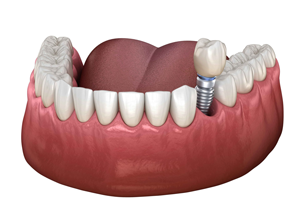
Single Tooth Implants
What is a Single Tooth Implant?
A single tooth implant is a state-of-the-art dental restoration that replaces both the visible crown portion of a missing tooth and its root. Unlike traditional bridges that rely on neighboring teeth for support, an implant stands independently, providing a permanent, stable solution that looks, feels, and functions just like a natural tooth.
Natural Look & Feel
Perfectly matches your natural teeth in appearance and function
Bone Preservation
Prevents bone loss and maintains facial structure
Long-lasting Solution
Can last a lifetime with proper care and maintenance
Preserves Adjacent Teeth
No need to alter healthy neighboring teeth
The Treatment Process
Getting a single tooth implant typically involves these key steps:
1Evaluation & Planning
Comprehensive examination, imaging, and precise treatment planning.
2Implant Placement
Strategic placement of the implant in your jawbone.
3Healing & Integration
3-6 month period for implant to fuse with bone.
4Final Crown
Placement of permanent crown for optimal aesthetics and function.
Recovery and Aftercare
Medication
Follow prescribed medication schedule, including antibiotics and pain management as directed by your dental specialist.
Oral Hygiene
Maintain excellent oral hygiene with gentle brushing around the implant site and rinsing with recommended antimicrobial solutions.
Recovery Timeline
Days 1-3
Minor swelling and discomfort
Days 4-7
Return to normal activities
Weeks 2-4
Soft tissue healing complete
Months 3-6
Complete osseointegration occurs as the implant fully bonds with your jawbone
Ready to Learn More?
Schedule a consultation with our experts to discuss your treatment options.
No obligation • Free consultation
Frequently Asked Questions
How does the experience of getting a dental implant compare to other dental procedures?
Most patients are pleasantly surprised by how comfortable the dental implant procedure is compared to other dental treatments they've experienced. The precise placement is performed under local anesthesia, ensuring you feel no pain during the procedure. Many patients report that the process is less uncomfortable than a tooth extraction. While you may experience mild soreness for a few days afterward, this is typically manageable with over-the-counter pain relievers.
What makes a dental implant superior to a traditional bridge for replacing a tooth?
A dental implant offers several significant advantages over a bridge. First, it preserves your natural teeth—bridges require grinding down adjacent healthy teeth. Second, implants stimulate and maintain jawbone health, preventing the bone loss that typically follows tooth loss. Third, implants are more durable and typically last much longer than bridges. Finally, implants look and function just like natural teeth, allowing you to eat, speak, and smile with complete confidence.
Ready to Replace Your Missing Teeth With a Permanent Solution?
Schedule a free consultation to discuss your dental implant options with our specialists.